M Miller Mold Remediation
Plymouth, IA · 50464 Attics · Basements · Crawl Spaces · Bathrooms

Mold Remediation in Plymouth, IA Near Me

Containment, HEPA filtration, removal of moldy materials and a fix for the moisture source, booked with a local remediation company.

Inspection and Testing
Local Remediation Crews
Containment and HEPA Cleanup
Attics, Basements, Crawl Spaces

Mold remediation is the full job: find the moisture, seal the work area, take out what can't be cleaned, clean what can, and dry the structure so the growth doesn't come back. Spraying bleach on a stain is not remediation. If you have visible growth or a musty smell that won't quit in Plymouth, IA, this is the service that deals with the cause and the colony together.

How a remediation crew sets up

The first day is mostly setup. The crew hangs 6 mil polyethylene sheeting to build a containment around the affected area, often with a zipper door so they can get in and out without letting dust escape. A HEPA air scrubber is ducted out of the containment to hold it under negative air pressure, which means air leaks in, not out. Floors along the path to the exit get covered, and HVAC registers inside the zone get sealed so spores don't ride the ductwork to other rooms.

What gets removed and what gets cleaned

Porous materials with growth in them usually come out. That means drywall, insulation, carpet pad and ceiling tile. Semi-porous and solid materials like framing lumber, subfloor and concrete are typically cleaned in place:

  • HEPA vacuuming of all surfaces inside the containment
  • Wire brushing or sanding of stained framing, sometimes soda or dry ice blasting for large areas
  • Damp wiping with an antimicrobial cleaner
  • A second HEPA pass once everything is dry

Some crews finish with a sealant on cleaned wood. Our page on encapsulating treated framing explains when that coating makes sense and when it is just paint over a problem.

The moisture source comes first

Mold needs water. A remediation that skips the source is a cleaning that will need repeating. The usual suspects are a slow plumbing leak inside a wall, a bathroom fan that vents into the attic, condensation on cold ductwork, or a crawl space with standing water and no vapor barrier. The tech takes moisture meter readings on studs and drywall before and after, and the job isn't really done until wood is back to normal dry readings. If you are not sure how far the growth goes, start with a mold inspection so the scope is set before anyone cuts drywall.

What drives the cost

The price depends on square footage of affected material, how hard the area is to reach (an attic or a 24 inch crawl space is slower than an open basement), how much drywall and insulation comes out, how many days the air scrubbers run, and whether you want independent clearance testing afterward. Rebuild work like new drywall and paint is often quoted separately. If anyone in the house has health concerns about mold exposure, talk to a doctor; the crew handles the building, not the diagnosis.

Call (984) 230-5534 and we will connect you with a local mold remediation company that serves Plymouth, IA and can come look at the job.
How it works

Four steps to a mold-free space in Plymouth, IA

01

Tell us what you see

Staining on the ceiling, fuzz on the joists, a musty smell in the basement. Describe it and where it is.

02

Get a local crew lined up

We connect you with a mold company covering Plymouth, IA that can inspect, take moisture readings and set the scope.

03

Containment and removal

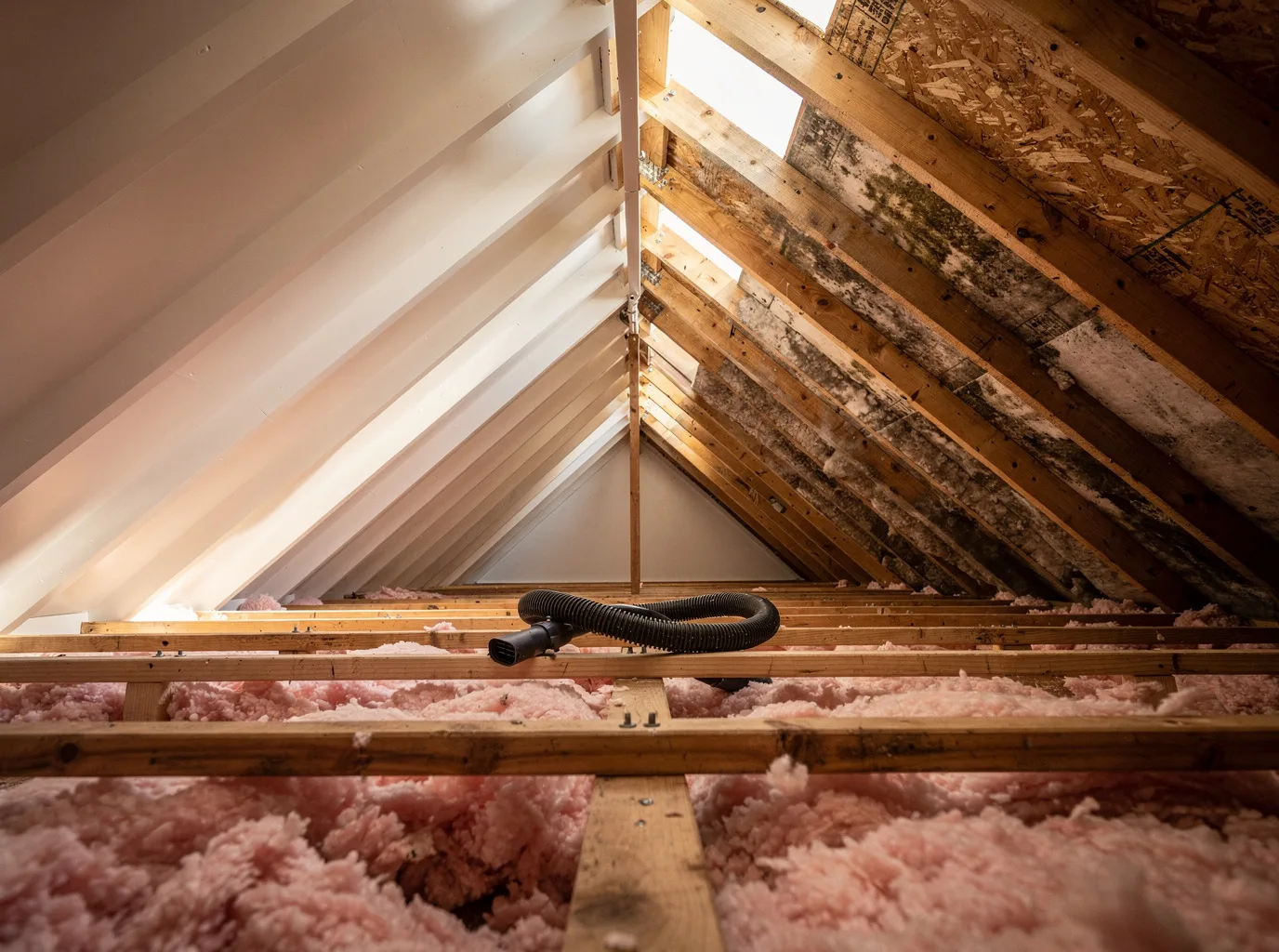
The crew seals the area in plastic, runs HEPA air scrubbers, removes moldy material and cleans the framing.

04

Fix the source, confirm it

The leak or humidity problem gets addressed, and clearance testing can confirm the area before walls close up.

Coverage

Mold Remediation Across Plymouth, IA

Mold inspection and removal across the neighborhoods and ZIP codes around Plymouth, IA.

ZIP codes we serve

50464
Mold Remediation in Plymouth, IA

Mold remediation FAQs

Frequently asked questions about mold remediation

Questions we hear most about Mold Remediation in Plymouth, IA.

Talk to a real person
What is the difference between mold removal and mold remediation?
<p>On a small job, not much. Removal is the hands-on part: cutting out moldy drywall, scrubbing framing, HEPA vacuuming. <a href="/services/mold-remediation">Remediation</a> wraps that in containment, negative air pressure and a fix for the moisture source so the growth doesn't return. Anyone promising to remove all mold spores from a house is overselling, since outdoor air always carries some. The goal is to get indoor levels back to normal and stop the growth.</p>
Can I remove mold myself?
<p>Small patches on hard surfaces, roughly under 10 square feet, are usually a homeowner job: wear gloves, an N95 and eye protection, scrub with detergent and water, and dry the area fully. Past that size, or if growth is inside walls, in the HVAC system or on drywall that's soft, a pro with containment and a HEPA scrubber makes more sense. If the area keeps coming back, the moisture source is still there, and cleaning alone won't fix it.</p>
How long does mold remediation take?
<p>A single bathroom wall or small closet can be done in a day. A typical basement or attic job runs two to five days, including setup, removal, cleaning and drying. Larger homes or commercial spaces can take a week or more. Add time for lab results if you book <a href="/services/mold-clearance-testing">clearance testing</a>, and for the leak repair and rebuild that follow. The crew will give you a schedule after seeing the scope.</p>
Why does mold keep coming back after I clean it?
<p>Because the water is still there. Mold returns in the same spot when a hidden leak, high humidity or condensation keeps that surface damp. Bleach also tends to whiten the stain on porous surfaces without removing growth underneath. Find the source with a moisture meter, fix it, then remove the growth properly. Our <a href="/services/mold-prevention">mold prevention</a> page covers the moisture checks that matter most.</p>
How soon after a leak does mold start growing?
<p>Mold can start growing on wet drywall, carpet pad and wood within about 24 to 48 hours. That's why fast drying matters. If materials were dried quickly with fans and dehumidifiers and readings came back normal, you may have no growth at all. If the leak sat for days or nobody checked inside the walls, call (984) 230-5534 and ask about <a href="/services/mold-removal-after-water-damage">mold removal after a leak</a>.</p>

Book mold remediation

Seeing Mold in Plymouth, IA? Call now.

Tell us what you're seeing and we line you up with a mold company covering Plymouth, IA. Scope and pricing are worked out after the walkthrough. (984) 230-5534.

Call (984) 230-5534 Services